




Japan’s Nightlife, Seen Through Years, Not Visits
Living in Japan for more than ten years changes how you see the country, especially after dark. When you first arrive, nightlife feels loud, colorful, and overwhelming — neon everywhere, crowds moving fast, streets that never seem to sleep. But once Japan becomes home, the night stops being a spectacle and starts becoming a language.
I’ve spent most of my time here working inside the game and entertainment industries, environments where timing, atmosphere, and human behavior matter more than people realize. After long days in studios, nights became the space where I walked, observed, and slowly understood how Japan really works. Not the version shown in travel guides, but the version that only appears when the last train leaves and people loosen their ties — literally and emotionally.
Through years of filming YouTube videos across Japan, I started noticing patterns that most visitors miss. Japanese nightlife isn’t chaotic or wild by default. It’s structured, layered, and surprisingly restrained. Even places that look flashy from the outside operate on unspoken rules — how long you stay, how you speak, how close you sit, when you leave. Girls’ bars, snack bars, tiny standing bars hidden in narrow buildings aren’t just places to drink; they are carefully balanced social spaces designed around comfort, distance, and temporary connection.
What fascinates me most is how different Japan feels at night compared to the daytime. During the day, everything is controlled, efficient, and polite. At night, that control softens just enough for honesty to appear. Conversations become slower, people open up, and the city feels more human. You start to see loneliness, kindness, exhaustion, curiosity — sometimes all in the same person, sitting quietly with a drink.
My videos were never meant to show “wild Japan.” They were meant to show real Japan. Walking without rushing, letting scenes breathe, allowing silence to exist. Over time, viewers began asking deeper questions — not just where to go, but how to approach nightlife without misunderstanding it or crossing invisible lines.
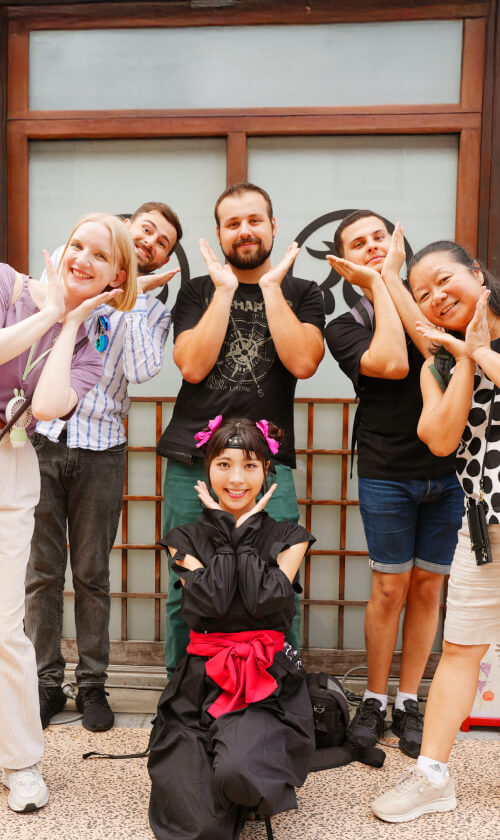
That curiosity eventually led me to create Smiley Walk, a tour company built around experience, context, and respect. The goal was never to chase nightlife trends, but to guide people through Japan in a way that feels grounded and honest. Sometimes that means entering a place. Sometimes it means explaining why we don’t. Understanding Japan often comes from knowing what to skip.
After more than a decade here, nightlife no longer feels exciting in a simple way. It feels meaningful. It feels like Japan exhaling after holding its breath all day. If you walk slowly enough and pay attention, the city will show you far more than any list of “top spots” ever could.
 タグ:
タグ: