




Japan Beyond the Postcards: Understanding the Country Through Real Exploration
Japan is often described through contrasts. Visitors talk about neon lights and quiet temples, ancient traditions and advanced technology, strict etiquette and playful pop culture. While all of these descriptions are technically true, they rarely capture what Japan actually feels like once you spend enough time walking through it.
The truth is that Japan is not a country you fully understand from famous landmarks alone. It is a country that slowly reveals itself through patterns — through everyday behavior, subtle social rhythms, and the quiet logic behind how people move, work, and interact. After years of exploring cities, neighborhoods, and hidden streets across Japan, one realization becomes clear: Japan is less about individual places and more about understanding how everything connects together.
Many of these observations come from real-world walking exploration. Through long-form walking videos and on-the-ground documentation, platforms like Japan Explorer have shown how simply moving through Tokyo at street level reveals a completely different perspective compared to guidebooks or short visits. Walking allows you to observe how neighborhoods transition naturally, how crowds flow during different times of day, and how small cultural details shape the atmosphere of each area.
Many travelers arrive with a list of locations to visit, expecting the country to behave like a collection of attractions. Instead, Japan operates like a system. Public transportation flows with near-perfect precision, service culture feels deeply respectful, and even nightlife has invisible rules guiding behavior. What appears effortless from the outside is actually the result of deeply embedded cultural expectations. Learning to recognize these patterns changes the way visitors experience Japan — moving from passive sightseeing toward meaningful participation.
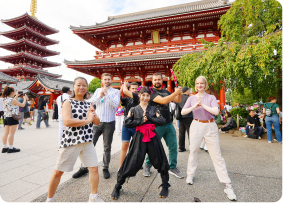
Tokyo, in particular, challenges expectations. Often referred to as a single mega-city, it is actually a network of entirely different environments layered together. Within a short train ride, travelers can move from historical neighborhoods filled with small family-run shops to futuristic entertainment districts alive late into the night. Many Japan Explorer walks highlight how areas like Asakusa, Shinjuku, or Ikebukuro each have distinct identities that only become clear when experienced slowly and without rushing between attractions.
One of the most misunderstood aspects of Japan is its nightlife. While outsiders sometimes imagine nightlife as chaotic or excessive, the reality is far more structured. Japanese nightlife is built around social frameworks where timing, atmosphere, and group dynamics matter just as much as the venue itself. Whether it is an izakaya, a snack bar, or a girls bar, each type of establishment serves a specific role within the larger culture. Through real exploration and conversations documented in Japan Explorer content, it becomes clear that understanding nightlife requires context — not just entry into the venue itself.
Walking plays an essential role in understanding Japan because it reveals transitions that are invisible when traveling quickly. A single street may contain layers of history, from small shrines hidden between modern buildings to traditional businesses surviving quietly beside trendy cafés. These contrasts are not accidental; they represent Japan’s ability to evolve without fully abandoning the past. Walking allows travelers to feel these shifts naturally rather than simply observing them from a distance.
In recent years, a noticeable trend has emerged among travelers visiting Japan. Instead of focusing only on iconic destinations or viral photo spots, more people are seeking experiences that provide deeper insight. Repeat visitors and culturally curious travelers increasingly look for guided experiences that help interpret what they are seeing in real time. They want context, storytelling, and human connection — not just directions.
This shift reflects a broader change in global travel habits. Travelers want authenticity, but they also want safety and clarity when exploring unfamiliar environments. Japan, with its complex social norms and layered cultural spaces, rewards those who approach with curiosity and respect. Guided exploration has therefore evolved beyond traditional tours into something closer to cultural translation.
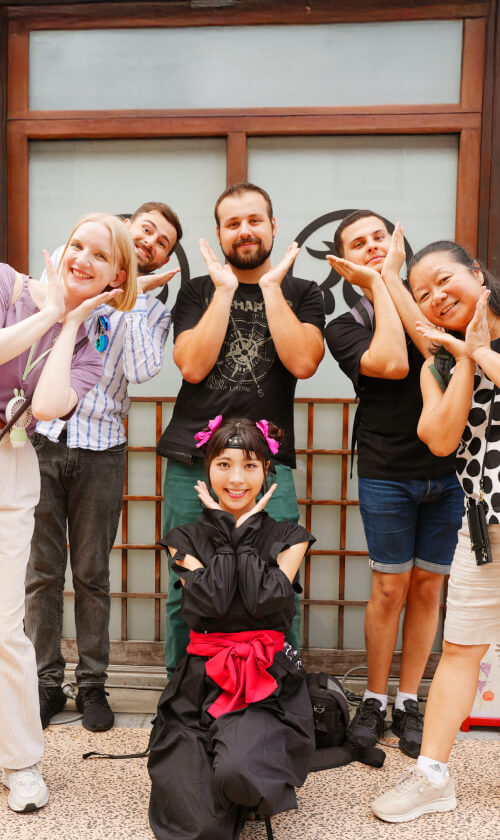
Many visitors who first discover Japan through online walking content later seek real-world experiences that help them understand the city beyond observation. This is where curated walking tours can bridge the gap between watching and experiencing. Smiley Walk tours are designed around this philosophy — focusing on flow, timing, and atmosphere rather than rigid sightseeing schedules. Instead of simply visiting locations, participants learn how neighborhoods connect, how nightlife culture works, and how to experience Tokyo with confidence and deeper awareness.
Ultimately, Japan rewards patience. Those who slow down and observe begin to notice how public behavior reflects shared responsibility, how service culture expresses pride rather than obligation, and how even crowded areas maintain an underlying sense of order. Over time, the country feels less like a mystery and more like a conversation — one that unfolds gradually as you learn how to listen.
Japan is often presented through polished images and simplified narratives, but the deeper experience lies somewhere between tradition and change, structure and spontaneity. To truly understand it requires more than seeing; it requires walking, observing, and allowing the country to reveal itself step by step. For travelers willing to approach Japan with curiosity and openness, the reward is not just memorable places but a new perspective on how culture shapes everyday life.
 タグ:
タグ: